Pulling Tractor Engines: A Pro Stock Power Deep Dive
Forget your grandpa's farm tractor. The machines competing in tractor pulls are purpose-built, highly modified powerhouses designed for one thing: pulling incredible weights. This article delves into the world of Pro Stock tractor pulling engines, exploring how these behemoths generate thousands of horsepower. We'll compare them to standard farm tractors, outlining key design modifications and their impact on power output. We'll also discuss engine maintenance and the ongoing pursuit of greater reliability and performance. For more in-depth information, visit the Pro Stock Guide. Whether you're a seasoned puller or a curious observer, this is your guide to the heart of tractor pulling.
Stock Engine Modifications: The Foundation of Power
Even "stock" class pulling tractors are far from ordinary. These are heavily modified agricultural tractors, often John Deere or International Harvester models, meticulously tuned for maximum pulling force. This goes far beyond simple tweaks. Key enhancements include increased engine displacement (larger cylinders), significantly upgraded turbochargers for enhanced airflow, and advanced fuel injection systems for precise fuel metering. Water injection is also standard, critical for preventing engine overheating under extreme stress. These modifications provide a substantial increase in power, albeit dwarfed by the extreme engineering found in the Pro Stock category. How much more powerful are these modified engines compared with standard models? While precise figures vary by engine modification, data suggest increases exceeding 50% are commonplace.
Pro Stock Pulling Engines: Entering the Realm of Mega-Power
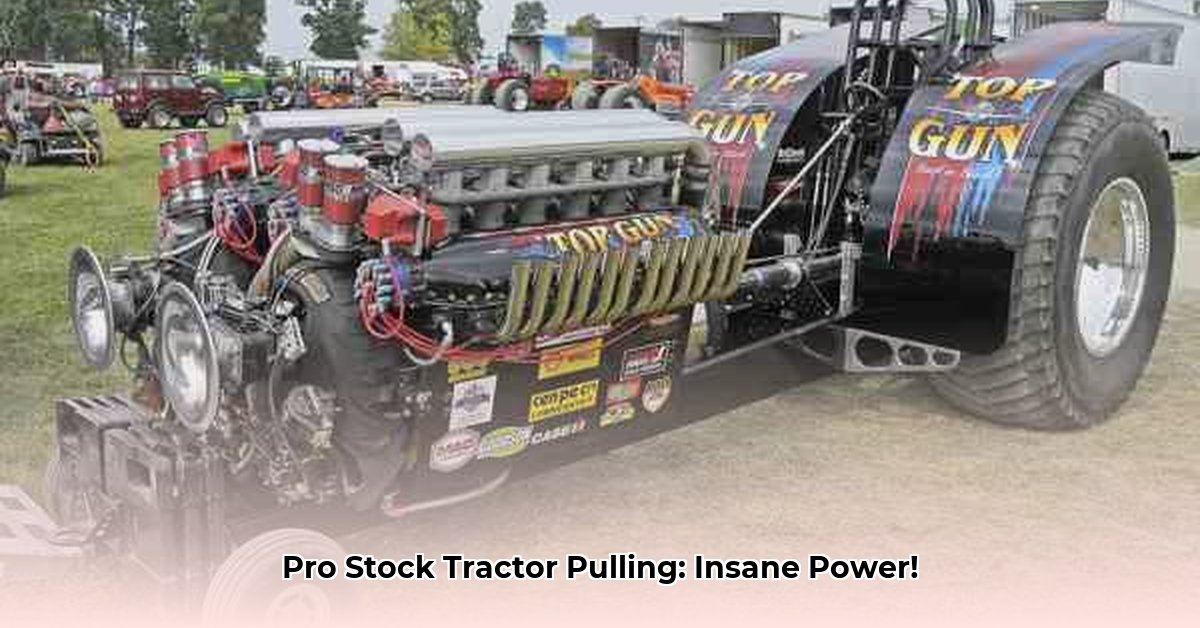
Pro Stock pulling tractors are in a league of their own. They are not merely modified farm tractors; they are purpose-built pulling machines, representing the pinnacle of agricultural motorsport engineering. Think massive rebuilds, often utilizing multiple engines to achieve a combined output exceeding 3,000 horsepower. The sheer power needed is staggering – consider the force required to pull a weighted sled often heavier than a small house. Massive turbochargers, with compressor wheels reaching 130mm in diameter, generate incredible boost pressures—well over 100 psi in many cases. This is not simply power; it's a testament to exceptional engineering and raw horsepower—a breathtaking spectacle.
Engineering Marvels: A Deeper Look at the Components and Modifications
Let's dissect the key components that fuel these extraordinary engines:
Turbocharging: The Heart of the Beast: Enormous turbochargers are essential, generating exceptionally high boost pressures to significantly increase airflow into the cylinders. This extra air, combined with precisely metered fuel, results in a monumental power surge within each cylinder.
Fuel Injection: Precision Fuel Delivery: Super-precise, high-flow fuel systems are critical. These systems deliver the exact fuel amount needed to optimize combustion alongside the massive air intake. Precise timing and fuel delivery are paramount for peak power and efficiency; even minor inaccuracies can severely impact performance.
Cooling Systems: Battling Extreme Heat: Managing heat is a tremendous challenge. The solution involves high-capacity radiators, oversized water pumps, and often, advanced water injection systems. These systems are crucial for preventing engine damage and maintaining consistent performance.
Materials Science: Lightweight Strength: Billet aluminum and other high-tech materials are widely used to minimize weight without sacrificing component strength. This is essential for enduring the immense forces generated by these high-performance engines—pushing the boundaries of traditional agricultural machinery.
Engine Configuration: One Engine or Multiple? While some Pro Stock teams use a single, massively modified engine, many utilize multiple engines working in perfect synchronicity. The debate on which approach is superior is ongoing and fiercely contested within the pulling community.
The Regulatory Landscape: Balancing Innovation and Safety
Organizations like the National Tractor Pulling Association (NTPA) establish crucial regulations. Their rules balance fair competition with safety. These regulations cover aspects from engine size limits to safety features, carefully managing the delicate balance between technological innovation and competitor safety. The task of balancing these factors, while also considering cost implications, requires constant adaptation and review.
The Future of Pulling Tractor Engines: A Glimpse into Tomorrow
The future of pulling tractor engines is rife with possibilities. Will we witness even larger multi-engine setups? Will alternative fuels, such as biodiesel, become more prevalent? Innovations in materials science could lead to lighter, more robust engines capable of exceeding current power limits. However, the escalating costs associated with developing and maintaining these powerful engines will certainly influence the sport's evolution. Ongoing research and development suggest that continuous innovation and improvement are on the horizon for this exciting motorsport.
Pro Stock vs. Stock Engine: A Quick Comparison
| Feature | Stock Engine | Pro Stock Engine |
|---|---|---|
| Engine Type | Modified agricultural engine | Highly customized, often multi-engine |
| Horsepower | Typically 1000-1500 hp (varies by class) | Well over 3000 hp |
| Turbocharger | Moderately sized | Massive, often with 130mm+ compressor wheels |
| Fuel Injection | Upgraded high-pressure systems | Extremely high-pressure, custom-engineered |
| Cooling System | Often includes water injection | High-capacity, water injection is critical |
| Materials | Primarily cast iron and steel | Billet aluminum, advanced forged components |
The world of tractor pulling engines, especially Pro Stock, displays a fascinating blend of agricultural engineering and cutting-edge motorsport technology. It's a dynamic field, captivating enthusiasts with its sheer power and continuous technological advancements—a testament to human ingenuity and the relentless pursuit of power.
How to Improve Pro Stock Tractor Pulling Engine Reliability
Pro Stock pulling demands extreme power and unwavering durability. Reliability is as crucial as raw power for achieving victory. Let's explore strategies for enhancing engine longevity.
The 1066 Phenomenon: A Case Study in Reliability
The International Harvester 1066's popularity among competitors isn't mere nostalgia. It offers a robust combination of modification potential and cost-effectiveness. Its design lends itself well to high-horsepower modifications. Swapping in a 436 block from a 1466, for instance, is a common performance-enhancing upgrade. The widespread availability of aftermarket parts further contributes to lower maintenance costs and reduced downtime.
Understanding the "Farm Stock" Illusion
The term "farm stock" is often misleading in modern tractor pulling. While used as a classification, it doesn't truly reflect the engine's condition. Most competitive tractors, regardless of model, have undergone significant modifications to achieve the horsepower needed to compete.
Key Components for Enhanced Reliability
Let’s delve into the key components critical for a reliable Pro Stock engine, focusing on strategies for improvement.
Forging a Solid Foundation: A strong engine block is paramount. The 1066's strength is a key advantage. Regular inspections for cracks or wear are essential.
Turbocharging Strategies: Proper turbocharger selection and maintenance are key to preventing premature failures—a common cause of pulling engine issues. Careful consideration of turbocharger size and type is essential to balance power and reliability.
Fuel System Precision: A precise fuel delivery system is vital for optimal combustion and reduced component stress. Proper tuning is paramount, requiring frequent checks and adjustments.
Lubrication is King: High-quality lubricants, specifically formulated for high-horsepower applications, are fundamental. Regular oil changes and meticulous lubrication are non-negotiable.
Cooling System Optimization: High-performance engines generate immense heat. Efficient cooling, using upgraded radiators and improved airflow, is crucial. Neglecting this invites potential engine damage.
Strengthening the Bottom End: Investing in high-strength connecting rods and crankshaft upgrades is highly beneficial. These components help withstand the tremendous forces generated by high-horsepower operation.
Modifications: A Double-Edged Sword
While modifications boost power, they can also affect reliability if not carefully planned and executed. The 1066's adaptability is a major plus, but meticulous planning required. Improper modifications are a frequent cause of engine problems.
How to Improve Pro Stock Tractor Pulling Engine Reliability: Practical Steps
- Meticulous Inspection: Regularly inspect all components for wear and tear, paying close attention to potential points of failure.
- Professional Tuning: Invest in professional engine tuning for optimal performance and reduced strain.
- Preventative Maintenance: Regular maintenance, including oil changes and component inspections, prevents major failures.
- High-Quality Components: Using high-quality components from reputable manufacturers significantly improves lifespan and reliability.
- Data Monitoring: Utilize data logging systems to meticulously track engine performance and quickly identify potential problems.
Pro & Cons of Popular Engine Modifications
| Modification | Pros | Cons |
|---|---|---|
| Increased Displacement | Higher horsepower potential | Increased stress on internal components |
| Turbocharger Upgrades | Substantial horsepower gains | Increased risk of turbocharger failure, potential for engine damage |
| Enhanced Cooling System | Prevents overheating, improves engine longevity | Higher initial cost |
| Strengthened Internal Components | Improved reliability under extreme conditions | Increased initial cost |
Key Takeaways:
- The 1066's popularity stems from its modification potential and relatively low maintenance costs.
- The term "farm stock" is often a